Tokyo for Non-Japanese-Speaking Parents (2026): Multilingual Medical, Sightseeing & Translation Help
Bringing parents who don't speak Japanese or English to Tokyo? Multilingual medical advice (the Himawari service, including Chinese), language help at tourist centers, tax-free shops and restaurants, and translation-app prep — from a Japan-based couple.
Family in Tokyo Editorial
August 1, 2026
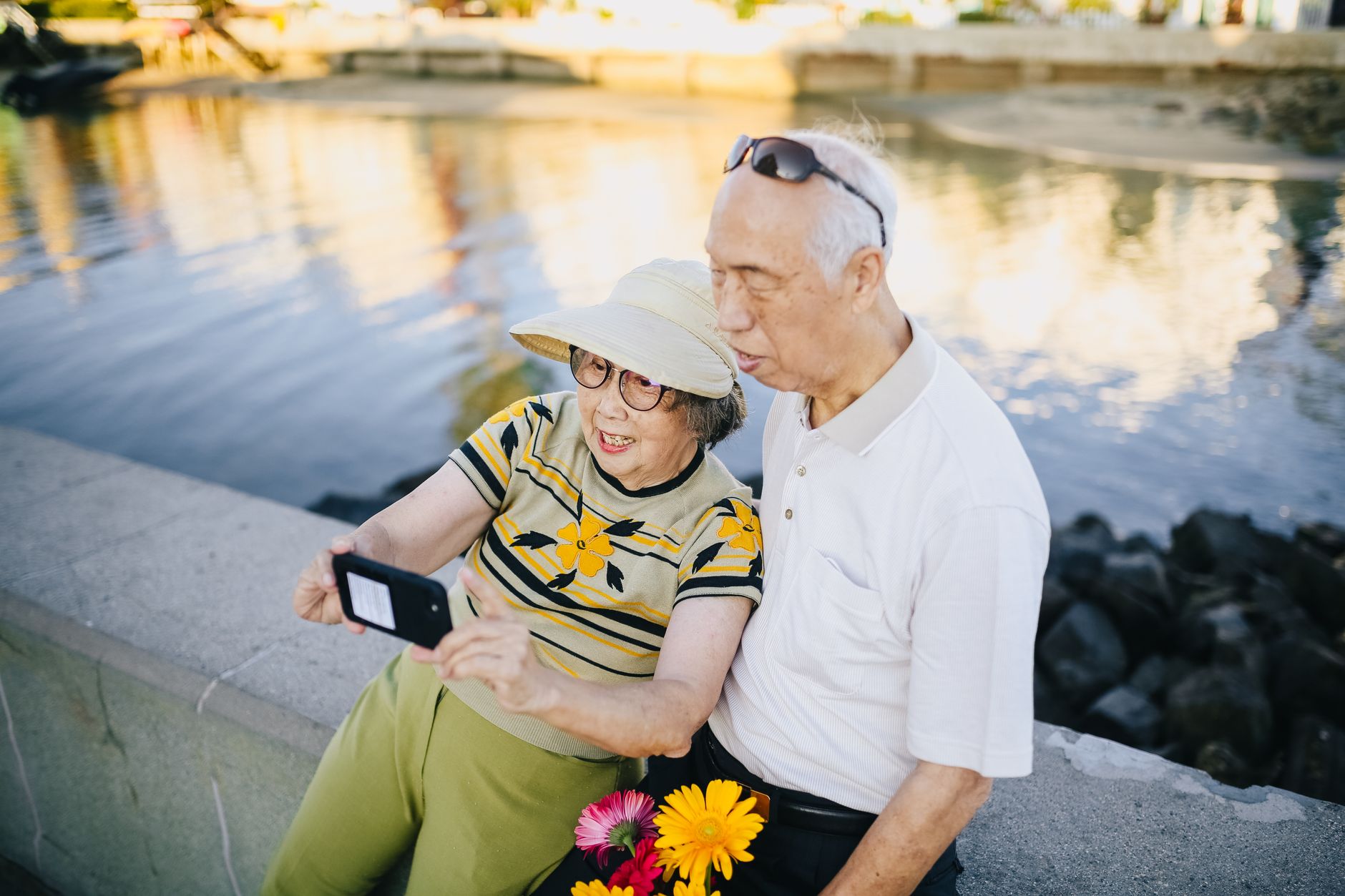
Taking parents who don’t speak Japanese to Tokyo | what to know first
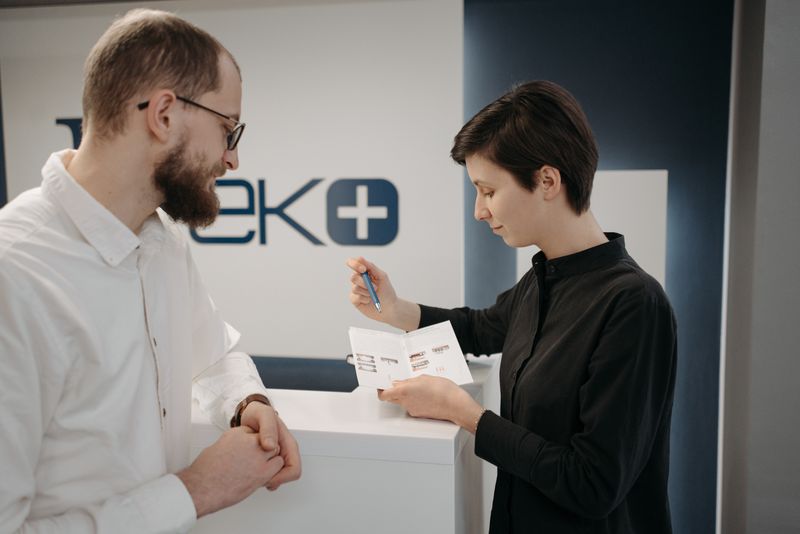
Short answer: Tokyo has counters and phone services that help in multiple languages (including Chinese and English), plus translation apps, so you can travel fairly comfortably with parents who don’t speak Japanese. For medical worries in particular, Tokyo’s free “Himawari” service is reassuring.
Three things to know for a trip with older parents:
- Medical: public services offer advice in several languages, including Chinese
- Around town: tourist centers, tax-free shops, and big chains increasingly offer language support
- Apps: translation apps cover everyday conversation
For a route built around traveling with parents, see exploring Tokyo with parents.
Medical help in your language
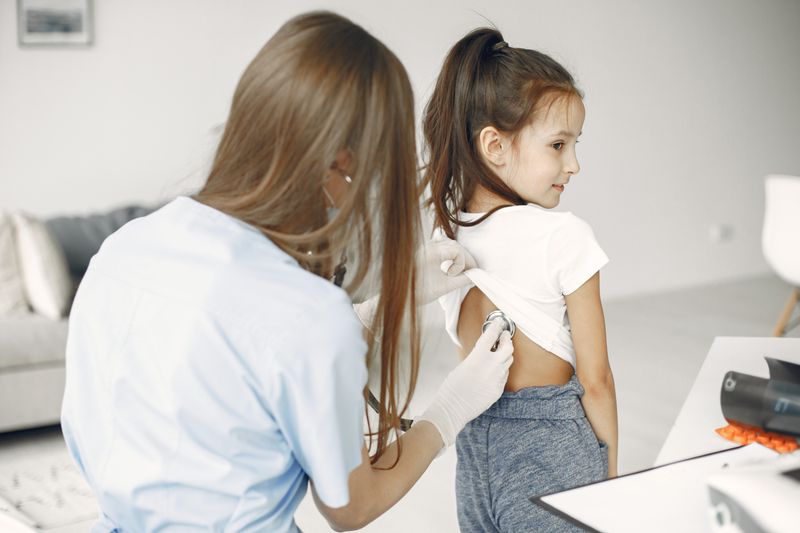
Health is the biggest worry abroad. Tokyo has public services that give medical guidance in foreign languages.
- Himawari (medical information service for foreign patients): phone support in languages including Chinese and English. It points you to clinics that handle foreign languages and answers questions about Japan’s medical system (advice is free; you pay the call charge)
- Emergency interpretation service: phone interpretation in several languages, including Chinese, for medical institutions
For how a clinic visit works and how to find pediatrics, emergency care, and pharmacies, see what to do if your child gets sick or hurt in Tokyo.
⚠️ Supported languages, hours, and service details can change. Confirm with official sources such as the Tokyo Metropolitan Government’s health bureau before use.
Where you can get by — sightseeing, food, shopping

- Tourist information centers: those at major stations and airports are usually multilingual, often with Chinese/English signage and staff
- Tax-free shops & large malls: relatively more multilingual staff and signage
- Restaurants: more places have picture menus and menus in other languages. For a relaxed meal with parents, see Tokyo’s treat-yourself family restaurants
- Translation apps: Google Translate, Microsoft Translator, and others (they support Traditional Chinese too)
What to prepare before you go
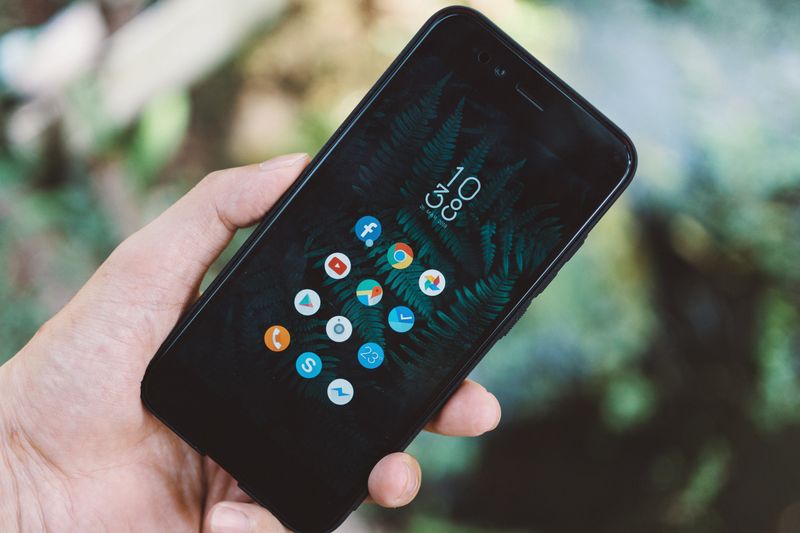
- Install a translation app and download offline language data
- Keep your parents’ regular medications and conditions written down (a note in their language helps)
- Confirm language support at hotels and restaurants when booking
⚠️ A venue’s language support varies by season and staff. If it’s essential, confirm when booking.
Quick reference
| Item | Details |
|---|---|
| Medical advice | ”Himawari” — multilingual advice and clinic referrals (phone, free) |
| Emergency | Emergency phone interpretation for medical institutions |
| Sightseeing & shopping | Growing multilingual support at info centers, tax-free shops, big venues |
| Restaurants | More places with picture and multilingual menus |
| Apps | Google Translate, Microsoft Translator |
That covers traveling with peace of mind. Before we finish, a word about what stays with you after the trip.
Keep the time with your parents on film
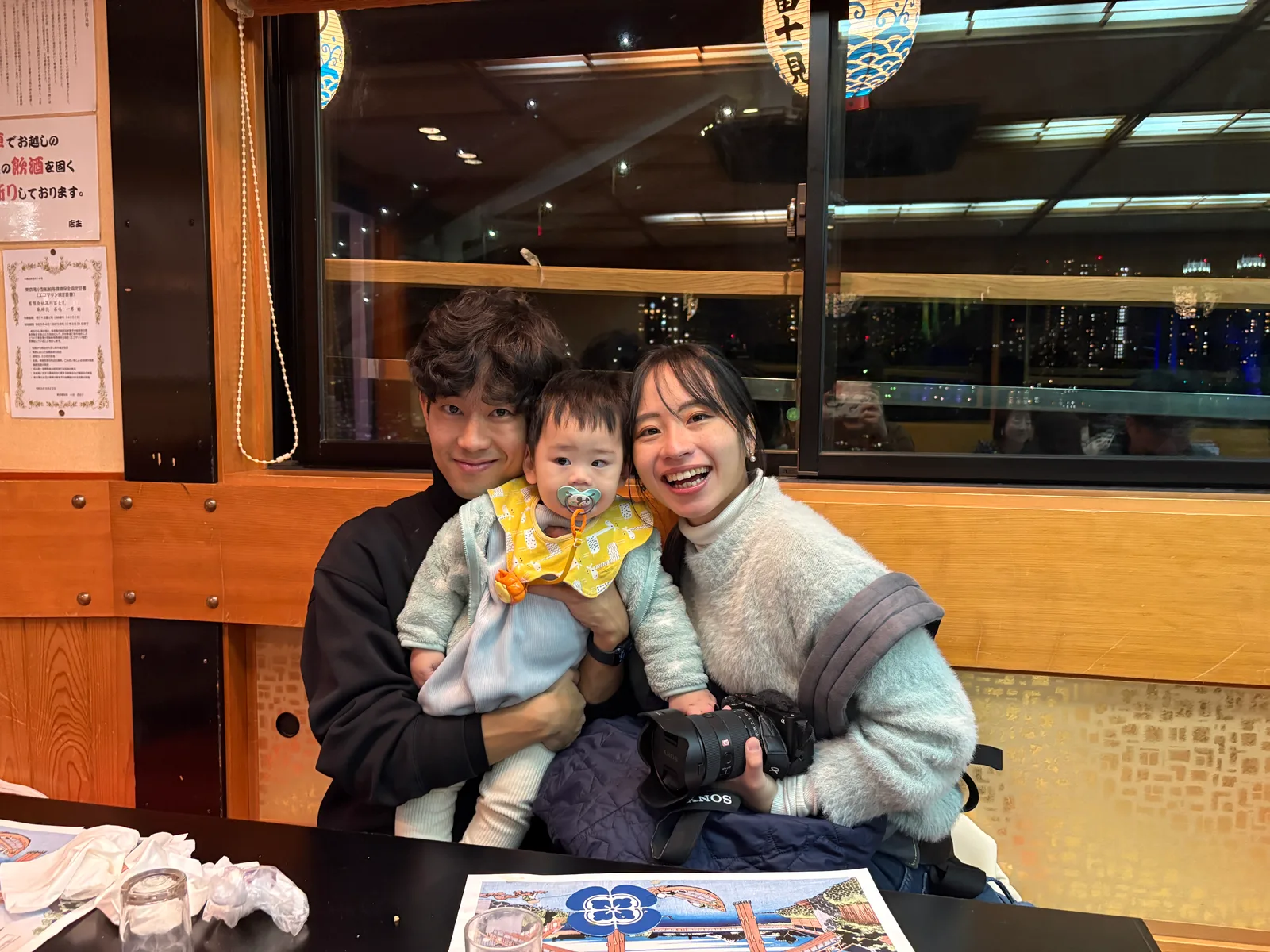
On a trip with your parents, you’re busy interpreting and guiding — and later realize you’re the one missing from the photos. The person handling everything is often the hardest to capture with the family.
We help families keep the moments you didn’t manage to film yourselves. If you’re curious, take a look.
👉 See the Tokyo Family Records service
Photos via Pexels: elderly couple, information counter, medical consultation, translation app, using a phone※ Details in this article (public services’ supported languages, hours) are current as of July 2026. Please verify with official sources for the latest.
 Ask on LINE
 Related Articles
![Asakusa with Kids: A Family-Friendly Day Trip Guide [2026]](https://images.familyintokyo.com/asakusa/asakusa-sensoji-tyotin-nighttime.jpg)
Asakusa with Kids: A Family-Friendly Day Trip Guide [2026]
A Taiwanese-Japanese couple's firsthand guide to exploring Asakusa with kids. Stroller-friendly routes, kid-approved street food, and the best times to visit.

Baby Food & Formula in Tokyo (2026): Where to Buy, Warming & Bringing Your Own
Feeding a baby in Tokyo: where to buy baby food and liquid formula, warming and bring-your-own rules when eating out, and what to pack by age — from a Japan-based couple, with tips to lighten your luggage.
![Tokyo Cherry Blossoms with Kids | 5 Stroller-Friendly Spots, Best Timing & Beating Crowds [2026]](https://images.familyintokyo.com/hanami/hanami-family-park-001.jpg)
Tokyo Cherry Blossoms with Kids | 5 Stroller-Friendly Spots, Best Timing & Beating Crowds [2026]
Tokyo's cherry blossoms peak from late March to early April. A Tokyo-based couple shares 5 stroller-friendly hanami spots for families — free Ueno Park, Shinjuku Gyoen (free for under-15s), the Meguro River, and more — with fees, timing, and crowd tips.
Author
Family in Tokyo Editorial
A Taiwanese-Japanese couple in Tokyo, exploring the city with our son every day.