Kid-Friendly Restaurants in Tokyo: How to Choose and Book with Kids 0–5 [2026]
Kid-friendly Tokyo dining: private rooms, kids’ menus, strollers, and what to say when you book with ages 0–5. By a Japan–Taiwan couple in Tokyo.

Family in Tokyo Editorial
Published: July 22, 2026 · Updated: September 2, 2026
How do you find a kid-friendly restaurant in Tokyo?
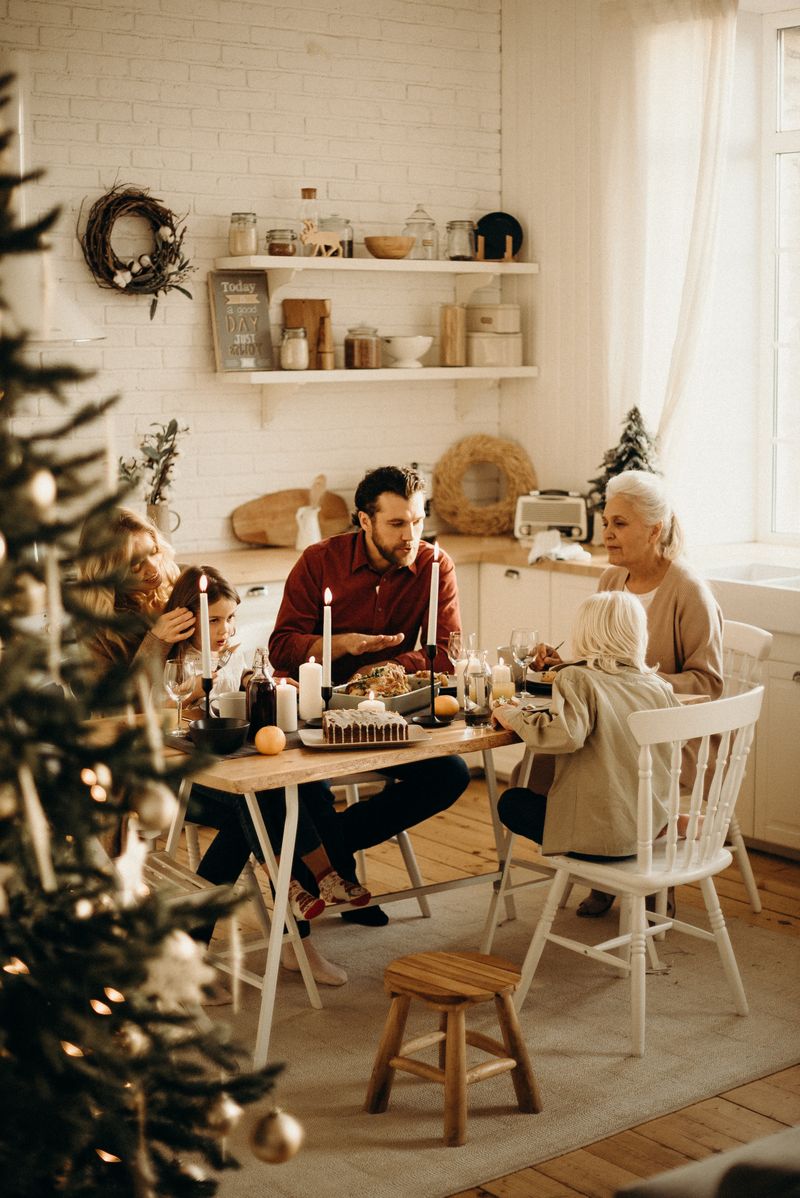
The short answer: when you look for a place that works with kids in Tokyo, these five checks make a bad meal less likely.
- High chairs or kids’ chairs
- A kids’ menu, or food that is easy to share
- A private room, tatami room, or booth, so you worry less about the next table
- Whether a stroller can come in, or can be stored
- A diaper-change station or nursing room in the restaurant or nearby
A reservable restaurant also makes it easier to keep a table at busy times. When we eat out in Tokyo with kids, we often use a chain or a station mall at lunch, and book a private room at night.
This guide covers easy chains when you are stuck, how to book private rooms and tatami, how age changes the choice, what to say when you reserve, and station-linked malls.
Not sure where to go? Start with family-friendly chains
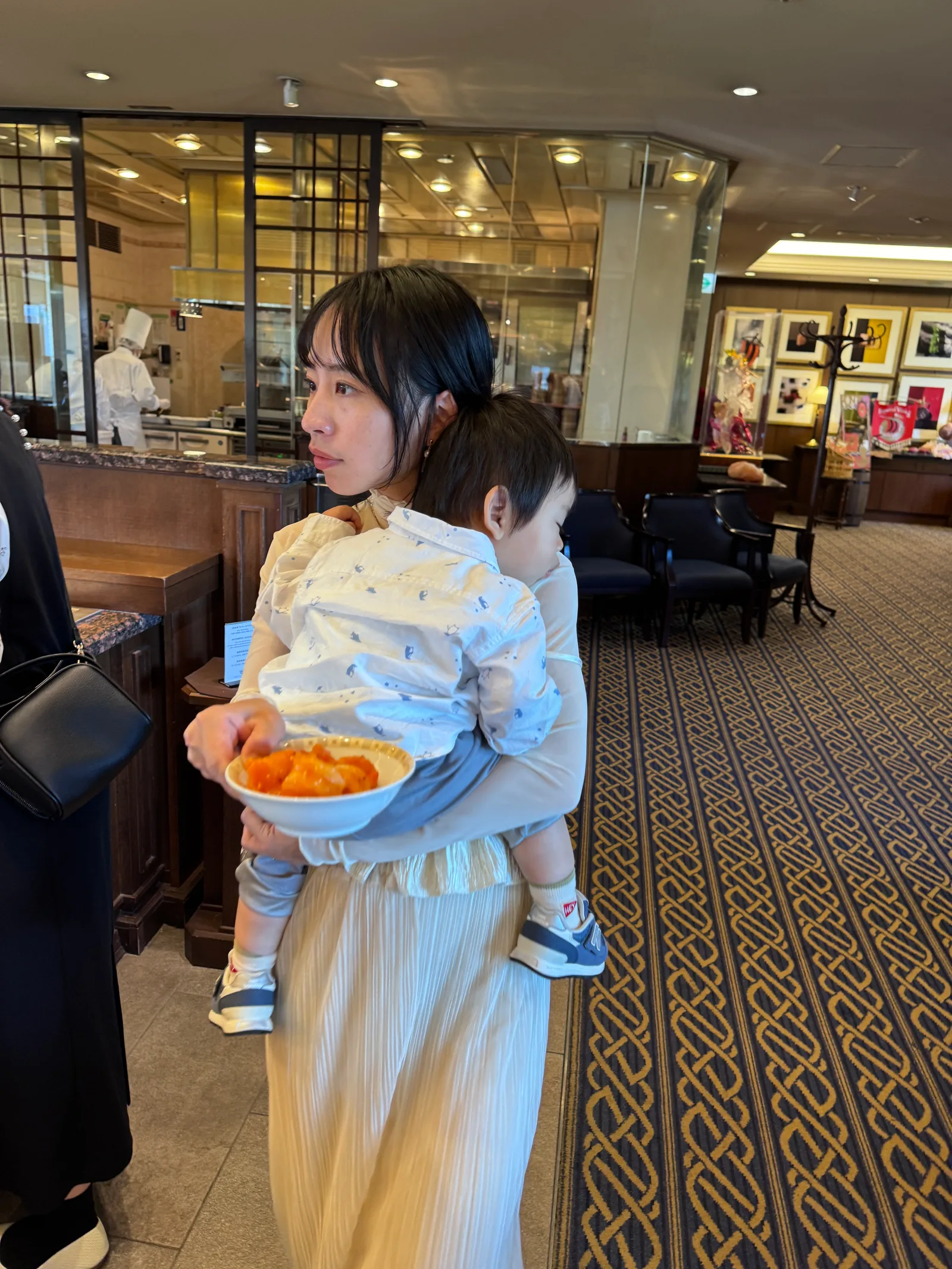
If it is your first time in Tokyo and you do not know the restaurants, chains that treat kids as standard are the safer bet. Mild Japanese food that is easy to share often suits Taiwanese kids as well. Gear and menus vary by shop, so check the official store finder before you go.
| Chain | Why it is easier with kids |
|---|---|
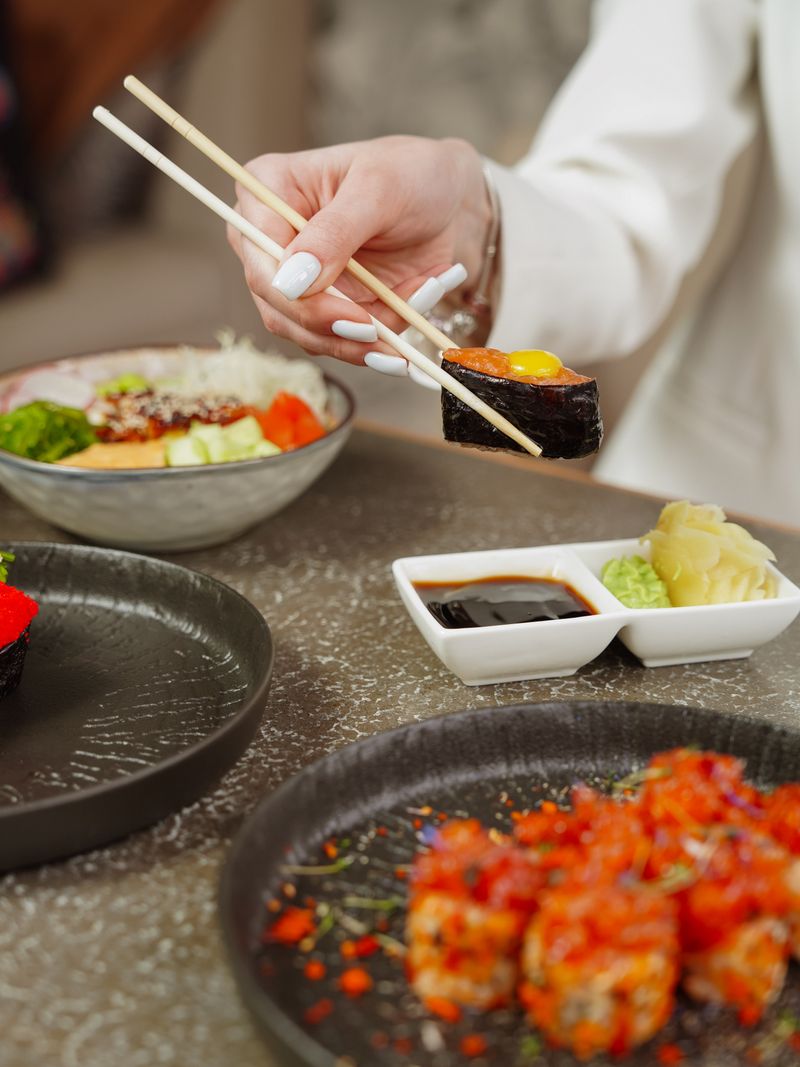
| Conveyor-belt sushi (Sushiro, Kura Sushi, Hama Sushi) | About ¥120 per plate (varies by store type), so the bill is easier to guess; several high-chair types; touch-panel ordering; gacha and other small extras help kids wait |
| Marugame Seimen | Kake udon (regular) is ¥440 including tax (revised January 2026); kids’ udon scissors; kids’ / baby chairs. Easy to share |
| Family restaurants (Gusto, Jonathan’s, Royal Host, Coco’s) | Kids’ menus, high chairs, booths. Many Gusto and Jonathan’s shops offer a free drink bar for preschoolers, which also keeps the family bill down |
| Japanese set-meal chains (Ootoya, Yayoi Ken) | Set meals are easy to share, and the room is often calmer |
High-chair types (table-clamp, floor stand, and so on) differ by sushi chain. For a younger baby, a chair with a belt is more reassuring. Some Kura Sushi shops let you reserve a table in the official app.
What to pack for baby food, bibs, and small utensils is in the Tokyo packing list for kids.
⚠️ Prices, high-chair types, whether you can bring baby food, and “free drink bar for preschoolers” all change by shop and season. Check the official site or ask at the door before you sit down.
How do you book a private room or tatami seat?
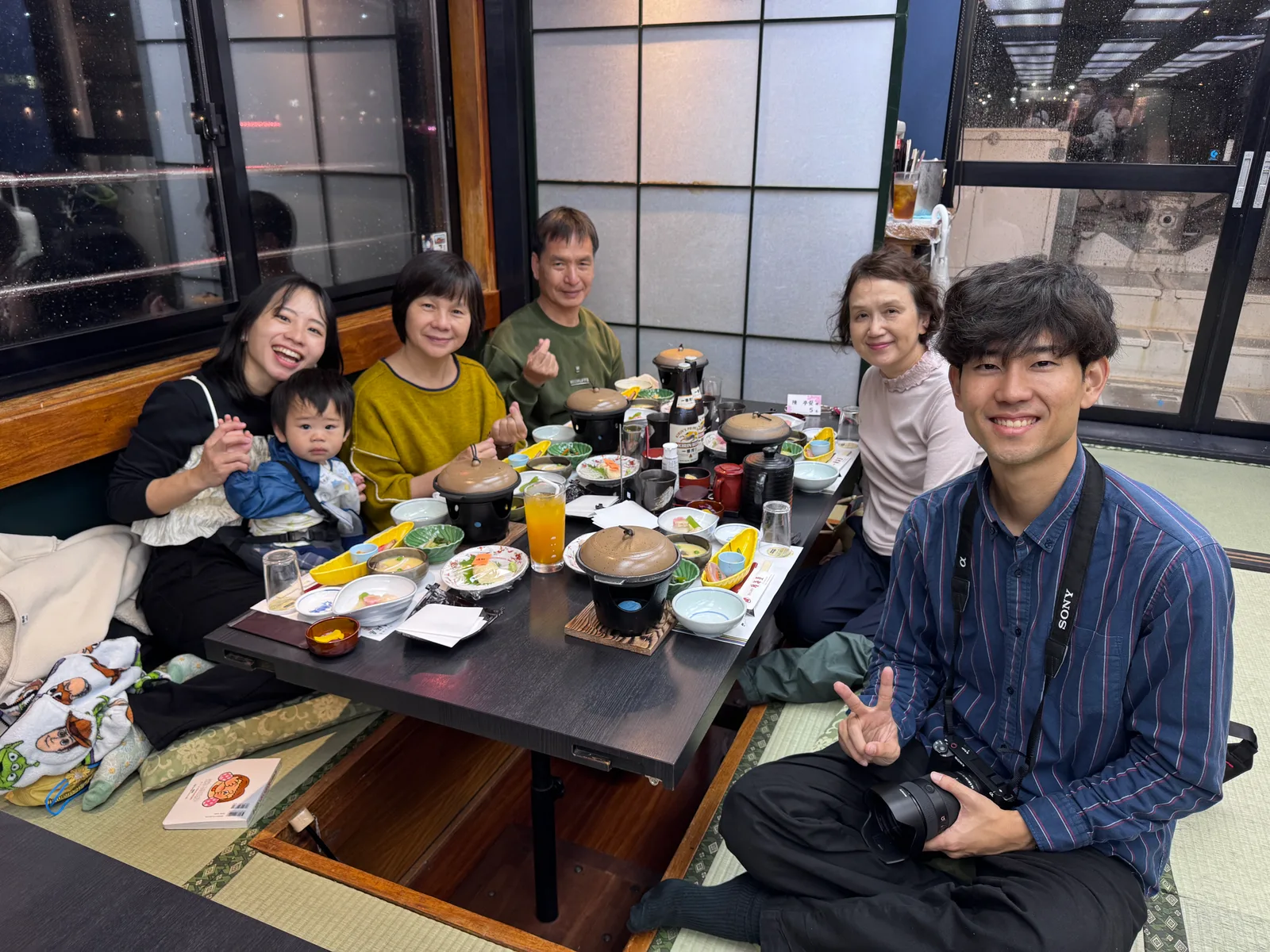
With a baby, or when kids want to move, a private room or a horigotatsu tatami room (you sit on the floor with your legs in a well under the table) is useful. You worry less about other tables, and some rooms have space for a baby to lie down.
- Filter on booking sites: Ikyu.com Restaurants, Tabelog, Gurunavi, and Hot Pepper Gourmet let you search for “private room” (個室), “kids welcome” (子連れ), and “tatami” (座敷)
- Lunch or just after opening is often better value: the same private room is often cheaper at lunch or right at opening, which also lines up with when kids are in a better mood
- Horigotatsu private rooms: common at Japanese restaurants around Tokyo Station and Marunouchi, and a frequent pick with kids
- Private rooms with a kids’ space: Pasela Resorts uses fully private rooms and has kids’ menus. Many shops advertise stroller parking (or front-desk storage), a nursing space, and a changing table. Karaoke is part of the format, so if you want a quiet meal, a Japanese private room or a hotel restaurant may fit better
The official “mom meetup” page says elementary-school-age children and under are free (up to two per adult), and weekday 3-hour packs start at ¥2,980 including tax (checked September 2026). Facilities and prices change by shop and plan, so confirm by phone or message when you book.
⚠️ Private rooms, baby-food rules, and the number of high chairs vary by shop and season. “Private room available” is not the same as a guaranteed room. Check the booking screen or call and ask for 個室確約 (private room guaranteed).
For an anniversary, a trip with parents, or a slightly special night, see Tokyo restaurants for a family treat.
What changes between ages 0–1 and 2–5?
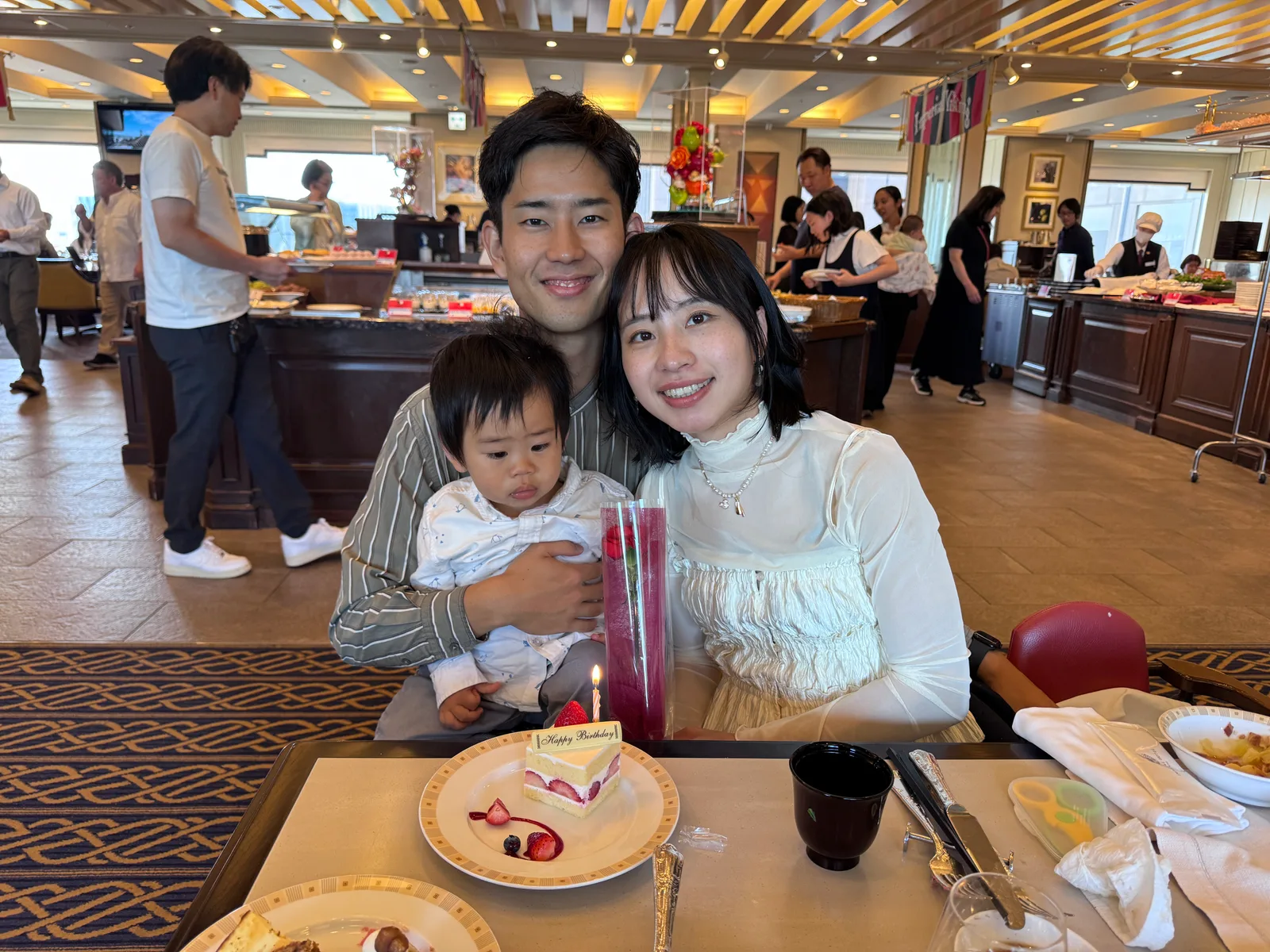
“Kids OK” does not mean the same thing at every age. A private room at night and a easy-moving chain at lunch is a split that tends not to fall apart.
| Age | What to prioritize | Places that often work |
|---|---|---|
| 0–1 | High chair with a belt, private room or tatami, nursing and diaper change, bringing baby food | Japanese private rooms, Pasela-style rooms, station food courts |
| 2–5 | Kids’ menu, something to do while waiting, a booth, wrapping up in about 90 minutes | Conveyor-belt sushi, Marugame Seimen, family restaurants, food courts |
Ages 0–1: skipping the evening peak (18:00–19:30) often means the staff have more room. Whether you can bring or warm baby food is a shop decision at some chains, even if the brand site mentions it. Say so when you walk in.
Ages 2–5: the food itself matters less than whether they can wait. Touch-panel sushi and gacha, or Marugame’s udon scissors, help here. Saving dessert for last makes it easier to leave the table.
On a rainy or very hot day, indoor spots before and after the meal keep the day intact. Pair this with indoor Tokyo spots for kids.
Booking sites, apps, and phone: what should you say?

For a meal while you travel, book if you can. Most booking sites are in Japanese. A translation app or the hotel concierge can help.
| Method | Best for |
|---|---|
| Ikyu.com Restaurants | Private rooms, celebrations, hotel restaurants |
| Tabelog, Gurunavi, Hot Pepper Gourmet | Filter for “private room” and “kids welcome” |
| Official chain apps | Sushi table bookings or family-restaurant wait lists (some shops only) |
| Phone | Confirming a guaranteed private room, high-chair count, baby food, allergies |
When you book or call, give more than the headcount.
- Number of adults and children, and the children’s ages (for example, 4 and 1)
- Whether you need a high chair, and how many
- Private room or tatami, and whether you need it guaranteed
- Whether the stroller comes to the table or should be stored
- Baby food (bring-in / warming) and any allergies
On the phone, this short Japanese script is enough.
4名です。4歳と1歳の子供がいます。ベビーチェアはありますか。個室は空いていますか。離乳食の持ち込みは可能ですか。
(Table for four. We have a 4-year-old and a 1-year-old. Do you have a high chair? Is a private room free? Can we bring baby food?)
| Time | Rough guide |
|---|---|
| Often busy | Lunch 11:30–13:30, dinner 18:00–19:30 |
| Easier with kids | Lunch before 11:00, dinner from 17:00 |
| Weekend private rooms | A few days to a few weeks ahead. Popular rooms go early |
Many chains take walk-ins the same day. Japanese private rooms and hotels need a booking more often on weekends.
Between sights, station-linked malls are the easy option
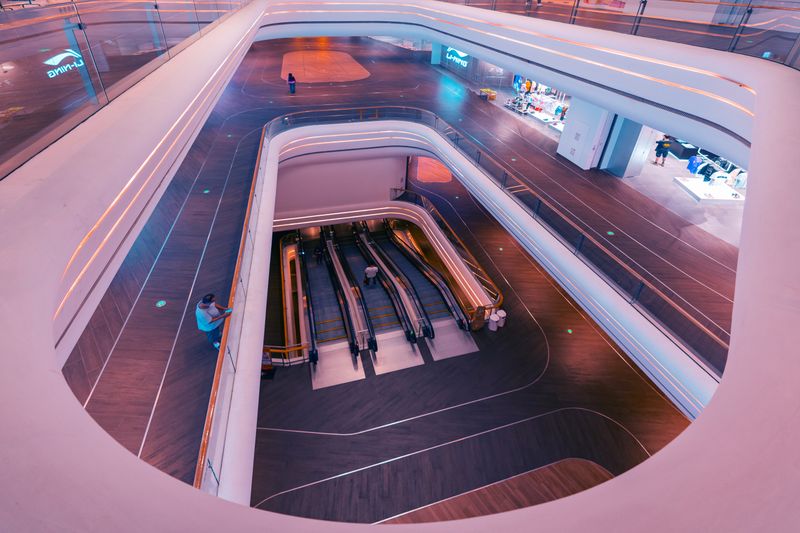
For a quick meal between sights, department stores and station buildings linked to the ticket gates are easier with kids. Nursing rooms, changing tables, and elevators are common, so a stroller still works.
| Area | Useful buildings |
|---|---|
| Shinjuku | Isetan, NEWoMan, and Odakyu have nursing rooms and kids’ facilities |
| Tokyo Station | Station and Marunouchi malls have restaurant floors and rest spots |
| Ikebukuro | Sunshine City and other large malls have food courts and nursing rooms |
A food court lets each person order what they want, and it is easier to find something a child will eat. If a child melts down, you can leave the table at once. The same idea works in Odaiba’s malls. Pair it with indoor stops in Odaiba with kids and a rainy day is less likely to fall apart.
On wet or very hot days, a mall where you can eat indoors as well is calmer (12 indoor spots with kids). For a shitamachi day, see Asakusa with kids. For getting between areas, see the Tokyo Metro guide with kids.
Practical summary
| Item | Point |
|---|---|
| How to choose | High chair, kids’ menu, private room / tatami, stroller, nursing room |
| If you are stuck | Conveyor-belt sushi, Marugame Seimen, family restaurants, Japanese set-meal chains |
| Ages 0–1 | Private room or tatami, chair with a belt, nursing and diaper change, skip the peak |
| Ages 2–5 | Kids’ menu and a short wait. Aim for about 90 minutes |
| If you want to linger | Book a private room or horigotatsu, and confirm it is guaranteed |
| Between sights | Restaurant floors and food courts in station-linked buildings |
| What to say when you book | Kids’ ages, chairs, private room, stroller, baby food and allergies |
| Check before you go | Private rooms, baby food, and high chairs are shop-by-shop |
That is the “how to plan the meal” part. Last, a short note on what remains after the trip.
Family time at the table, on film
A meal away from home is often when a child tries a new dish and the table laughs. Between serving and looking after everyone, that mood rarely makes it into a photo.
We help keep the family time you could not film. Look only if you want to.
👉 See the Tokyo Family Records service
Photos via Pexels: family meal, sushi, online booking, shopping mall※ Regulations, fares, and schedules in this article are current as of September 2026. Please verify with official sources before your trip.
 Ask about photo spots on LINE
 Related Articles
Tokyo Restaurants for a Family Treat: Private Rooms for Anniversaries & Grandparents (2026 Guide)
How to pick a slightly upscale family restaurant in Tokyo — private rooms, roomy seating, views, and anniversary touches where kids can still relax. Great for anniversaries and treating grandparents, from a Japan-Taiwan couple in Tokyo.
![Child Sick or Hurt in Tokyo? Emergency Numbers, Doctors & English Help [2026]](https://images.pexels.com/photos/3985216/pexels-photo-3985216.jpeg?auto=compress&cs=tinysrgb&dpr=2&h=650&w=940)
Child Sick or Hurt in Tokyo? Emergency Numbers, Doctors & English Help [2026]
Child suddenly sick or hurt in Tokyo? Emergency numbers #7119 & #8000, English-speaking medical hotlines, how to see a doctor, and travel insurance — from a Tokyo-based couple.
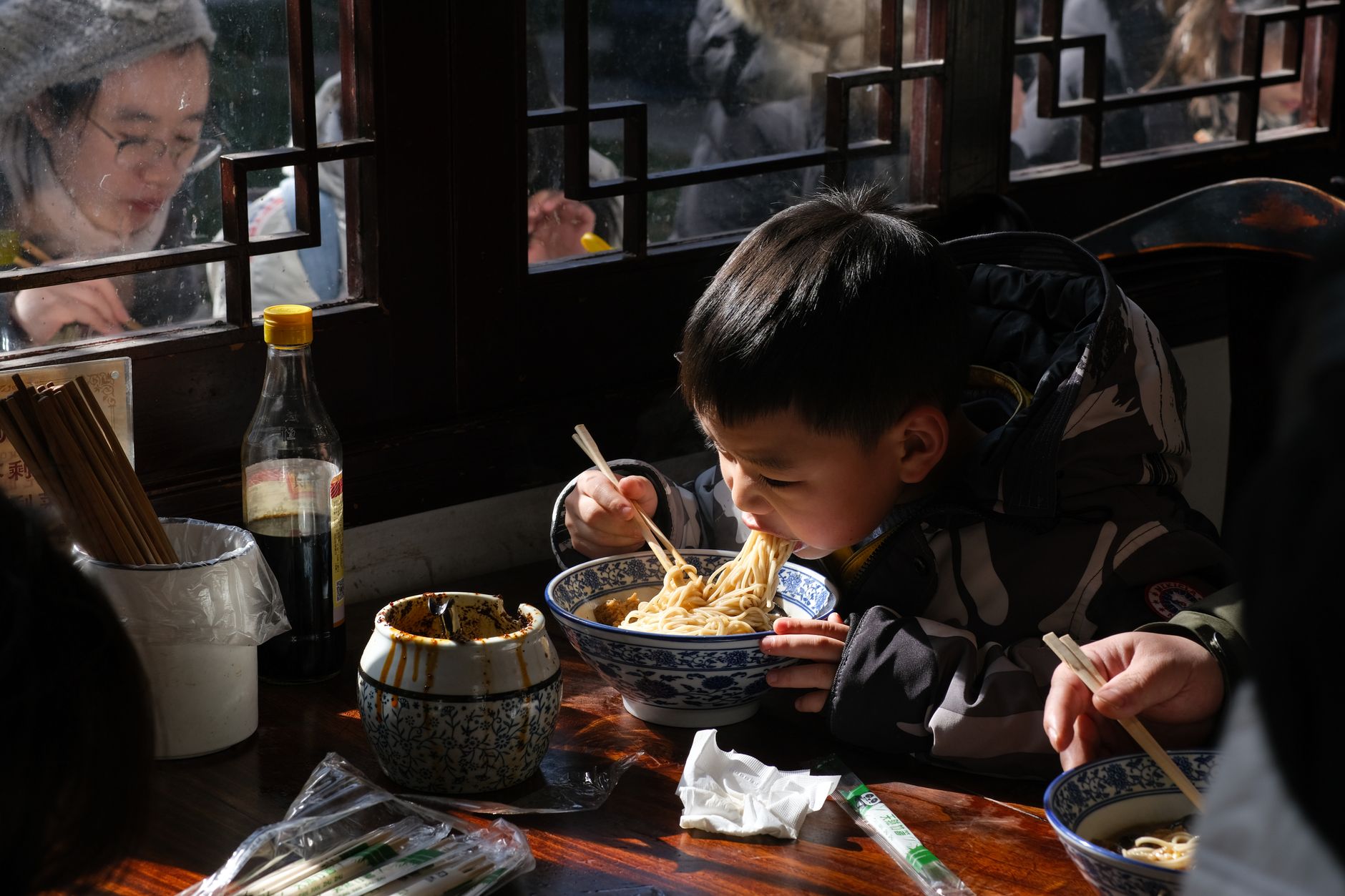
Sushi & Udon for Kids in Tokyo (2026): What Children Will Actually Eat
Worried your kids will not eat in Tokyo? Conveyor-belt sushi, mild udon, and family restaurants that work with young children — plus how to tone down flavors, share dishes, and which chains have free drink bars for kids. From a Japan-based couple.
Author
Family in Tokyo Editorial
A Taiwanese-Japanese couple in Tokyo, exploring the city with our son every day.